
Buying a smartphone in the ₹50,000 price range is a big decision. It’s not something most people do every few months. Naturally, when you’re spending this much, you want a device that feels truly premium. Phones in this segment are expected to deliver flagship-level performance, high-end design, and minimal compromises.
If you’re looking for the best smartphones under ₹50,000 in India, you can expect powerful processors, fluid gaming experiences, solid camera setups, and long-term software support. Whether you’re a power user, mobile gamer, or camera enthusiast, this is the sweet spot where value meets performance.
However, not all phones in this price bracket are created equal. After reviewing the latest launches and user feedback, we’ve selected the top 5 phones under ₹50,000 in India that offer the best bang for your buck.
It’s worth noting that while these smartphones perform exceptionally well, their more expensive siblings—often branded as “Pro” or “Ultra” variants—might come with extras like higher refresh rate displays, flagship-grade camera sensors, or larger batteries. But rest assured, the models we’ve picked are no slouches and easily stand out in terms of everyday performance and overall value.
Ready to upgrade? Here are the best flagship smartphones under ₹50,000 you can buy in India right now, complete with expert insights and user reviews to help you choose the right one. Also, don’t forget to check our list of the best premium phones under Rs 30,000 should you decide to alter your budget.

OnePlus 13R
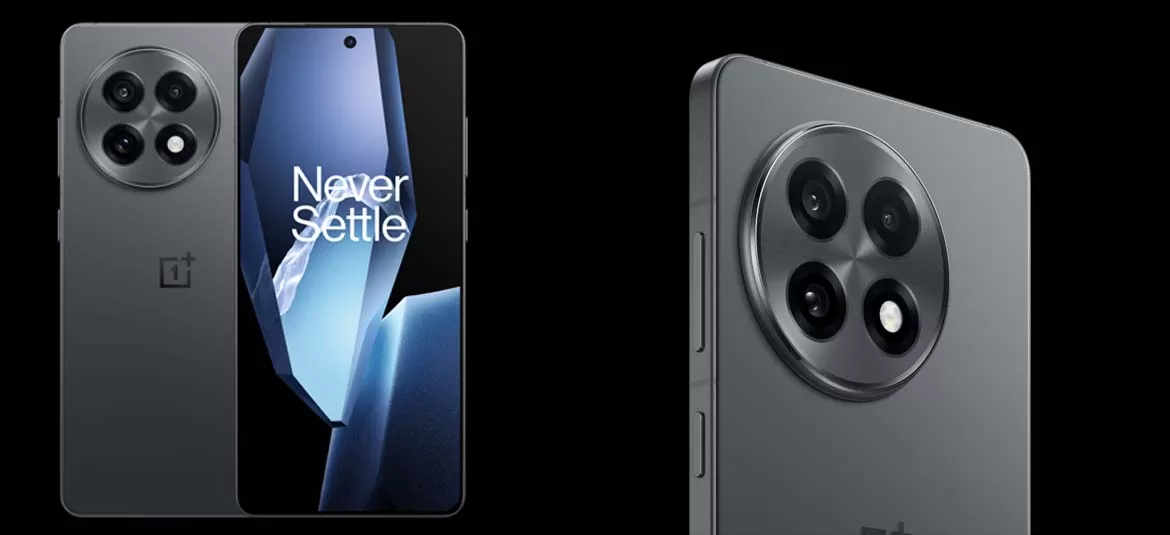
- 6.78 inch 120Hz, LTPO 4.1 AMOLED, 120Hz, HDR10+, 1600 nits (HBM), 4500 nits (peak)
- Android 15, up to 4 major Android upgrades, Nothing OS 3.1
- Qualcomm SM8650-AB Snapdragon 8 Gen 3
- 512GB UFS 4.0 16GB RAM
- 50 MP, f/1.8, 24mm (wide) + 50 MP, f/2.0, 47mm (telephoto) + 8 MP, f/2.2, 16mm
- 16 MP, f/2.4, 26mm (wide) selfie camera
- 6,000mAh battery with 80W wired charging
- Model year – Jan 2025
The OnePlus 13R is one of those rare phones that feels like a flagship without demanding flagship money. Powered by the Snapdragon 8 Gen 3, it’s clearly aimed at users who want top-tier performance—whether for gaming, multitasking, or long-term use—but aren’t chasing brand clout or spending unnecessarily.
The 6.78-inch LTPO AMOLED display is bright, fluid, and versatile, thanks to adaptive 120Hz refresh and HDR10+ support. The LTPO tech ensures smooth transitions and power efficiency, giving it an edge in both visual experience and battery conservation. The panel is sharp and vibrant, though peak brightness isn’t class-leading.
Design-wise, it’s minimalist and refined. The flat sides, matte rear, and subtle camera bump give it a clean aesthetic. It also sports an IP65 rating, which adds peace of mind for daily durability, even if it falls short of full waterproofing.
Battery life is excellent. The 6,000mAh cell comfortably delivers a day and a half of moderate to heavy use, and 80W fast charging fills it up in about 45 minutes. Wireless charging is absent, which is a bummer at this price, but forgivable considering everything else on offer.
On the camera front, the triple-lens setup includes a capable 50MP main sensor with OIS, a 2x 50MP telephoto, and an 8MP ultra-wide. Daytime photos are sharp and color-accurate, while portraits from the telephoto lens come out surprisingly well. However, the ultra-wide camera and low-light performance feel like holdovers from a cheaper device. This isn’t a phone for photography enthusiasts, but it’ll serve most users just fine.
OxygenOS 15, based on Android 15, is lean, responsive, and free from bloat. OnePlus has also committed to 4 years of major Android updates and 5 years of security patches, which is now table stakes for long-term value.
- Excellent performance with Snapdragon 8 Gen 3 and 16GB RAM
- Sharp and fluid 6.78″ LTPO AMOLED display
- Long battery life + 80W fast charging
- Clean, fast OxygenOS with long-term update support
- Ultra-wide and low-light camera performance could be better
- No wireless charging
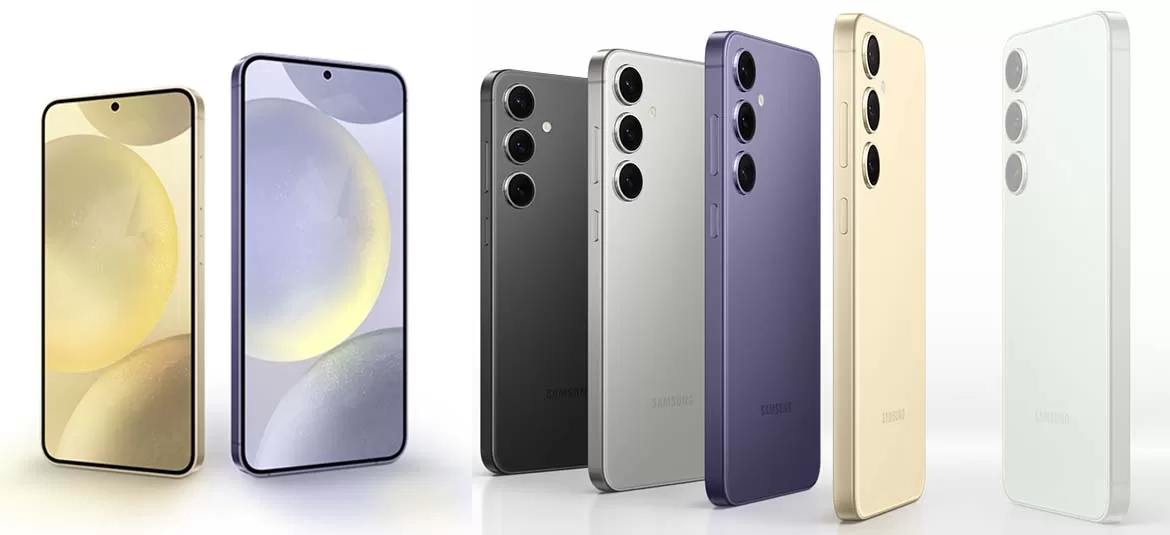
Samsung Galaxy S24
-
- 6.2 inch, LTPO AMOLED 2X, 120Hz, HDR10+, 2600 nits (peak)
- Android 15, up to 6 major Android upgrades, One UI 7
- Exynos 2400 (4 nm)
- 256GB UFS 4.0 8GB RAM
- 50 MP, f/1.8, 24mm (wide) + 10 MP, f/2.4 + 12 MP, f/2.2, 13mm, 120˚ (ultrawide)
- 12 MP, f/2.2, 26mm (wide) selfie camera
- 4,000mAh battery with 25W wired charging
- Model year – Jan 2024
The Galaxy S24, now over a year old, was one of Samsung’s most refined flagships when it launched, and in many ways, it still holds up. It delivers a compact, premium experience with a flat design, solid build, and a display that’s still among the best in its size class. However, the competition has moved on, and what once felt cutting-edge now comes with some caveats.
Samsung’s 6.2-inch Dynamic AMOLED 2X display remains a strength. It’s sharp, color-accurate, and smooth with its adaptive 120Hz refresh rate. While not as flashy in specs as newer rivals with 1.5K or 6,000-nit panels, it’s reliable and pleasant for most users.
Performance-wise, it runs on the Exynos 2400. While still capable, but in 2025, it’s no longer the fastest chips around. You’ll notice this mainly if you’re gaming at high settings or doing heavy multitasking—the 8 Gen 3 still handles daily tasks with ease, but newer mid-premium devices now offer comparable or better sustained performance.
Battery life, a weakness in older S-series phones, saw improvement in the S24 thanks to a slightly larger 4,000mAh battery and software tuning. While it doesn’t last as long as newer 5,000mAh-plus phones, it’s dependable for a full day of regular use. Fast charging remains at 25W wired, which is beginning to feel outdated given how many mid-rangers now offer 80W or more.
Camera quality remains solid. Especially, the 50MP main shooter and 10MP 3x telephoto, which still deliver sharp, color-rich photos in good lighting. But in low light or when compared to newer phones with AI-enhanced sensors and faster night modes, the S24’s results feel a step behind.
Samsung’s software remains a key strength. One UI 7.0 based on Android 15 is snappy and packed with features, and the S24 is part of Samsung’s seven-year update promise. That makes it a safer long-term bet than many newer phones with just 2–3 years of support.
- Gorgeous and compact AMOLED display
- Solid camera system with reliable performance
- Premium build
- Polished software
-
- Slower charging compared to 2025 standards
- Battery life just okay, not standout
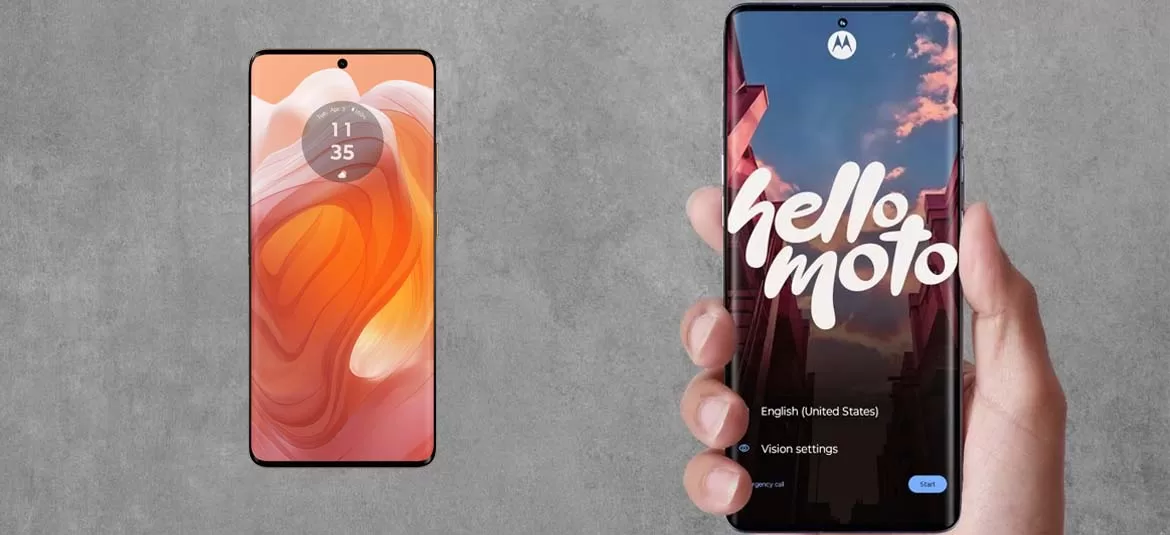
Motorola Edge 50 Ultra
- 6.7 inch P-OLED, 144Hz, HDR10+, 2500 nits (peak)
- Android 14, upgradable to Android 15, up to 3 major Android upgrades
- Qualcomm SM8635 Snapdragon 8s Gen 3 (4 nm)
- 512GB UFS 4.0, 12GB RAM
- 50 MP, f/1.6, 23mm (wide) + 64 MP, f/2.4, 72mm (periscope telephoto) + 50 MP, f/2.0, 12mm, 122˚ (ultrawide)
- 50 MP, f/1.9, 21mm (wide) selfie camera
- 4,500mAh battery with 125W wired charging
- Model year – April 2024
TThe Edge 50 Ultra was Motorola’s most ambitious flagship in years, and it showed. With its standout design, powerful internals, and capable camera setup, it turned heads when it launched. Nearly a year later, it’s still a well-rounded device—but one that now sits in a more crowded premium space.
Design remains a clear highlight. The Edge 50 Ultra has a sleek, premium aesthetic with options like wood and vegan leather finishes that help it stand out. It’s IP68-rated, curved in-hand, and refreshingly different from the glass-slab sameness seen elsewhere.
The 6.7-inch pOLED display is punchy and smooth with a 144Hz refresh rate and 1.5K resolution. While it doesn’t match the 2,600+ nit brightness of today’s newest flagships, it’s still vibrant, color-rich (Pantone validated), and great for media consumption or outdoor use.
Under the hood, the Snapdragon 8s Gen 3 holds up fairly well, though it’s now a step behind the newer 8 Gen 3 and 8 Gen 4 chipsets in raw power and efficiency. For most users, especially those not gaming heavily, the phone still feels snappy and fluid. With 12GB or 16GB RAM variants and up to 1TB storage, it’s still stacked on paper.
Battery life from the 4,500mAh cell is decent, if not chart-topping. The 125W wired and 50W wireless charging remain standouts even in 2025—very few phones offer that combo. You can go from 0 to full in under 30 minutes, which helps offset the average endurance.
The camera system is solid but not perfect. The 50MP main camera, 64MP 3x telephoto, and 50MP ultrawide give you flexibility, and Motorola’s color science has noticeably improved. Still, it falls short of the low-light and processing prowess of newer AI-heavy flagships. The selfie camera is decent but can be hit-or-miss in dynamic lighting.
MyUX remains clean and lightweight, with useful additions like Moto Gestures and minimal bloat. However, Motorola only promises three years of OS updates, which feels underwhelming today compared to Samsung and Google’s seven-year pledges.
- Distinctive, premium design
- Fast wired and wireless charging
- Versatile camera setup
- Software support limited to 3 OS updates
- Average battery life by 2025 standards
- Mediocre CPU
Google Pixel 9a
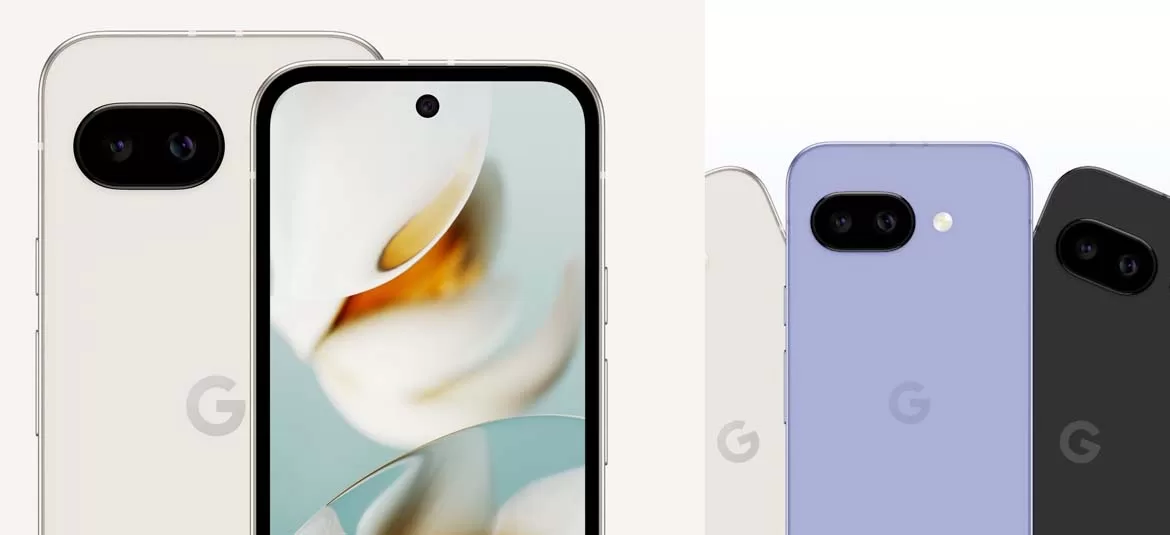
- 6.3 inch P-OLED, HDR, 120Hz, 1800 nits (HBM), 2700 nits (peak)
- Android 15, up to 7 major Android upgrades
- Google Tensor G4 (4 nm)
- 256GB UFS 3.1, 8GB RAM
- 48 MP, f/1.7, 25mm (wide) + 13 MP, f/2.2, 120˚ (ultrawide)
- 13 MP, f/2.2, 20mm (ultrawide) selfie camera
- 5,100mAh battery with 23W wired charging
- Model year – March 2025
Google’s Pixel 9a continues the “A-series” tradition of bringing Pixel smarts to a more affordable price point. And in 2025, it’s one of the most balanced sub-premium Android phones out there.
The design is minimalist but clean, now slimmer and lighter than before. The OLED display is vibrant, with a much-needed 120Hz refresh rate that helps the phone feel fluid in daily use. While it doesn’t match the brightest or most color-rich panels in the segment, it’s reliable and gets the job done outdoors.
Performance is handled by the Tensor G3 chip, which does well for typical usage but still isn’t a gaming powerhouse. Thermal throttling and battery drain during sustained tasks were noted by reviewers, though for everyday use and Pixel’s AI features, it performs consistently.
Camera is where the Pixel 9a justifies its name. The 64MP main sensor (with the same software smarts as the flagship) delivers photos that punch above the phone’s price class—particularly in daylight and portrait modes. Video is solid too, though not class-leading.
Battery life is acceptable but not exceptional. Expect a full day on light to moderate use, but power users may need to top up. Charging speeds are still behind the curve at just 18W wired with no wireless option, which feels dated in this price bracket.
The 9a shines in software: clean Android 14 with Pixel-exclusive AI features, long-term updates, and solid security. It’s ideal for users who want a smooth, clutter-free phone that just works.
Overall, the Pixel 9a isn’t trying to win spec wars. Instead, it focuses on consistency, camera quality, and clean software—all of which it delivers confidently. It’s not for gamers or power users, but for most Android buyers in 2025, it’s a dependable pick.
- Flagship-level camera at a mid-range price
- Pixel software and AI features
- Clean design and lightweight
- Slow charging, no wireless option
- Not ideal for gaming

Comments are closed.